

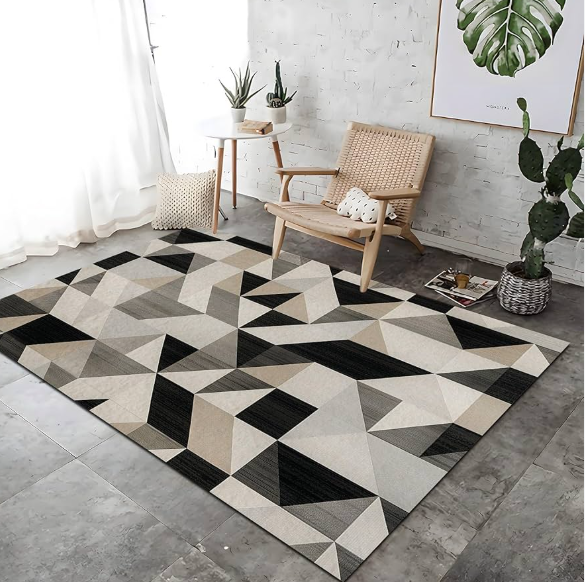
Geometric rugs work best in living rooms, bedrooms, dining rooms, and entryways. Their bold patterns add structure and visual interest to any space. The right placement depends on room size, existing decor, and the mood you want to create.
You’ve probably noticed geometric rugs everywhere lately—and for good reason. Their clean lines, repeating shapes, and bold patterns make them one of the most versatile flooring options available. Whether your home leans modern, bohemian, or traditional, a well-placed geometric rug pulls the room together in a way that few other decor pieces can.
But “versatile” doesn’t mean “anywhere goes.” Where you place a geometric rug—and which style you choose—makes a significant difference in how your space feels. This guide walks through the best spots in your home for geometric rugs, plus practical tips on size, color, and pattern to help you make the right call.
Why Geometric Rugs Are So Popular Right Now
Geometric patterns have been part of textile design for thousands of years, across cultures from Morocco to India to Scandinavia. What keeps them relevant is their adaptability. A bold chevron or diamond pattern can anchor a minimalist living room. A subtle trellis design adds texture to a neutral bedroom without overwhelming it.
The appeal is also practical. Geometric patterns are forgiving—they don’t show wear and foot traffic the way solid-colored rugs do, making them a smart long-term investment for high-use areas.
Geometric Rugs in the Living Room: Making a Statement
The living room is the most common—and often the best—place to use a geometric rug. Here, the rug acts as a visual anchor for the entire seating area.
How to get it right in the living room
-
Go large. A rug that’s too small looks like an afterthought. In most living rooms, at least the front legs of all seating should sit on the rug.
-
Match the pattern scale to the room size. Large, bold geometric patterns suit spacious rooms. Smaller, more intricate patterns work better in compact spaces.
-
Let the rug lead the color palette. If you’re starting fresh with a room, pick your geometric rug first and build your furniture and accent colors around it.
A high-contrast geometric rug—think black and white or navy and cream—works especially well in neutral living rooms that need a focal point without adding clutter.
Geometric Rugs in the Bedroom: Adding Comfort and Style
Bedrooms benefit from rugs in ways people often underestimate. Beyond aesthetics, a rug adds warmth underfoot, reduces noise, and makes the room feel finished.
Placement options for bedroom geometric rugs
-
Under the bed (two-thirds out): The most common approach. The rug extends from the foot of the bed outward, creating a grounded, cohesive look.
-
Runners on either side: A practical option for smaller rooms—two narrow runners placed on each side of the bed add texture without taking up too much visual space.
-
Foot-of-bed placement: A smaller geometric rug placed at the foot of the bed works well in larger bedrooms and adds a layered, intentional feel.
For bedrooms, softer geometric patterns—like gentle hexagons or muted diamonds—tend to work better than high-contrast designs, which can feel too energetic for a restful space.
Geometric Rugs in the Dining Room: Defining the Space
A dining room rug serves a clear functional purpose: it defines the eating area and protects the floor beneath the table. Geometric rugs are a strong choice here because their structured patterns complement the angular lines of dining furniture.
Key rules for dining room rug placement
-
Size matters most here. The rug should extend at least 24 inches beyond all sides of the dining table. This ensures chairs remain on the rug even when pulled out.
-
Choose a flat weave or low pile. These are easier to clean and won’t cause chairs to wobble when pulled in and out.
-
Stick to medium-scale patterns. Very large geometric prints can clash with the shapes of chairs and table legs; very small ones get lost under furniture.
Geometric Rugs in Hallways and Entryways: Welcoming Patterns
First impressions count, and your entryway sets the tone for the rest of your home. A geometric runner in a hallway or entryway does double duty: it protects a high-traffic area while making an immediate visual statement.
Long, narrow geometric runners work particularly well in hallways. Look for repeating patterns—like a continuous diamond or stripe—that guide the eye down the length of the corridor, making the space feel longer and more intentional.
For entryways, a bold geometric pattern in a durable, easy-clean material handles foot traffic well while signaling a clear design sensibility from the moment someone walks in.
How to Choose the Right Geometric Rug: Size, Color, and Pattern
Size
The single most common mistake when buying a rug is going too small. Use these rules as a starting point:
-
Living room: 8×10 ft minimum for most standard seating arrangements
-
Dining room: Add 24 inches on all sides to your table dimensions
-
Bedroom (queen or king): 9×12 ft works well for most layouts
-
Hallway runner: Leave 4–6 inches of floor visible on each side
Color
Geometric rugs work best when they connect to at least two existing colors in the room—one from your furniture, one from your walls or accent pieces. If your room is already busy with pattern and color, choose a geometric rug in a limited palette (two or three tones). If the room is neutral, you have more freedom to go bold.
Pattern scale
-
Small rooms → smaller, tighter patterns
-
Large rooms → larger, bolder geometric prints
-
Rooms with existing pattern (wallpaper, upholstery) → simpler, more restrained geometric designs
Why Premium Handmade Rugs Make a Difference
Machine-made rugs can mimic geometric patterns, but the texture, durability, and depth of a handmade rug are difficult to replicate. Premium handmade rugs in India—particularly those from the Bhadohi region of Uttar Pradesh, which is South Asia’s largest hub of hand-knotted carpet weaving—are crafted by skilled artisans using traditional techniques refined over decades.
The Ambiente, a design-led rug atelier backed by over 30 years of expertise through its parent company Bhadohi Carpets, offers handcrafted silk and wool geometric rugs made in collaboration with more than 4,000 weavers, the majority of whom are women. Each rug reflects both traditional craftsmanship and contemporary design sensibility—built to last and designed to stand out.
Handmade rugs also carry natural variation in texture and color that adds character to a space in a way machine-made products simply can’t match.
Where to Buy Rugs Online: What to Look For
When you buy rugs online, the volume of options can be overwhelming. Here’s how to narrow it down:
-
Check material details. Wool and silk rugs last longer and feel better underfoot than synthetic alternatives.
-
Look for size charts and room placement guides. A good retailer helps you visualize how the rug will fit before you buy.
-
Read the sourcing story. Brands that are transparent about where and how their rugs are made tend to produce better quality products.
-
Confirm return and exchange policies. Color can look different on screen than in person—make sure you have flexibility if the rug doesn’t match your space.
The Ambiente’s online store offers ready-to-ship geometric rugs as well as bespoke options, with detailed product pages and a team available to help with sizing and placement advice.
Make Your Space Work Harder with the Right Rug
A geometric rug isn’t just a floor covering—it’s one of the most effective tools you have for shaping how a room feels. Place the right one in the right spot, and it ties together furniture, color, and light in a way that takes a room from functional to memorable.
Start with the room that needs the most attention. Measure carefully, consider the existing colors and furniture scale, and prioritize quality over price. A well-made geometric rug—especially a premium handmade rug crafted by skilled artisans—will outlast trends and wear beautifully over time.
Ready to find your rug? Browse The Ambiente’s collection of premium handmade geometric rugs online and get expert guidance on sizing, placement, and style to suit your home.
Frequently Asked Questions
What rooms are geometric rugs best suited for?
Geometric rugs work well in living rooms, bedrooms, dining rooms, and entryways. Their structured patterns add visual interest and help define spaces, making them a strong choice for any room that needs a clear focal point or anchor.
What size geometric rug should I buy for my living room?
For most living rooms, an 8×10 ft rug is the minimum recommended size. The front legs of all major seating pieces should sit on the rug to create a cohesive, grounded look. Going larger is rarely a mistake.
Are geometric rugs suitable for high-traffic areas?
Yes. Geometric patterns are practical for high-traffic areas because they conceal everyday wear and dirt more effectively than solid-colored rugs. For hallways and entryways, choose a flat-weave or low-pile geometric rug for easier maintenance.
What’s the difference between handmade and machine-made geometric rugs?
Handmade rugs—particularly premium handmade rugs from India—offer deeper texture, natural color variation, and greater durability than machine-made alternatives. They are crafted using traditional techniques and tend to improve in character over time, making them a better long-term investment.
How do I choose a geometric rug pattern that works with my existing decor?
Match pattern scale to room size (larger patterns for larger rooms), and ensure the rug connects to at least two existing colors in the space. If your room already has strong patterns in upholstery or wallpaper, opt for a simpler geometric design in a limited color palette.
Is it safe to buy rugs online without seeing them in person?
Yes, provided you shop with a reputable retailer that offers detailed product descriptions, accurate photography, and flexible return policies. When you buy rugs online, always check the material, dimensions, and pile height before purchasing, and confirm the retailer’s exchange policy in case the color differs from what you see on screen.