

Concrete is widely used in warehouses, workshops and commercial properties because it can withstand demanding everyday activities. However, even a solid slab can gradually develop cracks, surface damage and uneven sections. Heavy equipment, repeated traffic and moisture exposure may contribute to these problems. Arranging professional concrete repairs before damage becomes extensive can help property owners maintain safer working conditions and avoid unnecessary disruption. Understanding how concrete deteriorates also makes it easier to plan effective maintenance and future flooring improvements.
Recognising Damage Before It Spreads
A small crack may seem harmless when it first appears, particularly in a large industrial building. However, its location, width and underlying cause determine whether it needs attention. Repeated forklift movement can place pressure on damaged joints and weakened edges. Over time, these areas may deteriorate further, creating uneven sections that affect equipment movement.
Moisture entering existing cracks can also contribute to deterioration, particularly where reinforcement corrosion or other underlying problems are present. Regular inspections help identify changes before they interfere with daily operations. Property managers should pay particular attention to entrances, loading zones and frequently travelled pathways.
Understanding Different Concrete Defects
Not every damaged concrete surface requires the same treatment. Some cracks are superficial, while others indicate movement, settlement or more significant structural concerns. Surface blemishes and small pop-outs may require localised patching. Damaged joints often need specialised repairs that accommodate the intended movement and traffic conditions.
Crack injection may be appropriate in selected situations, depending on the type of crack, its location and whether movement is ongoing. A professional assessment should identify the likely cause before determining the repair method. Simply filling visible damage without addressing underlying problems may result in repeated deterioration.
Building a Practical Maintenance Strategy
Concrete maintenance becomes easier when property owners establish a consistent inspection routine rather than waiting until major damage appears.
Several steps can support this process:
-
Inspect traffic routes: Check regularly used pathways for cracks, holes and uneven surfaces.
-
Monitor expansion joints: Look for damaged edges and debris accumulating around joints.
-
Address water problems: Investigate leaks, drainage issues and persistent dampness.
-
Document changes: Keep photographs and records of damage that appears to be spreading.
-
Schedule professional assessments: Seek advice when deterioration affects safety or equipment movement.
These habits help maintenance teams prioritise repairs according to actual risks and building requirements.
Preparing Surfaces for New Flooring
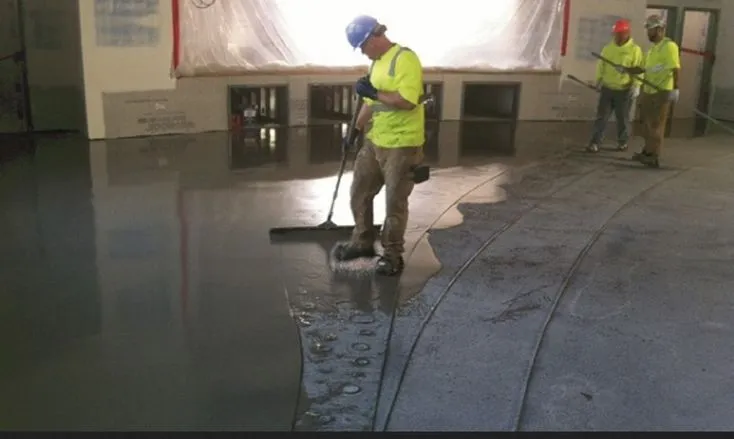
Once damaged areas have been addressed, the next stage may involve professional floor preparation before installing a new surface finish. Concrete grinding can remove contaminants, unsuitable coatings and surface irregularities. Different grinding equipment and abrasive attachments are selected according to the condition and composition of the slab.
Some projects also require removal of existing carpet, tiles, vinyl or adhesive residues. These materials must be cleared appropriately before installing replacement flooring. Where unevenness is a concern, suitable levelling compounds may help create the required surface profile. Preparation requirements vary according to whether the final finish will be epoxy, vinyl, tiles or another flooring system.
Reducing Disruption During Industrial Repairs
Concrete maintenance can become complicated when a business must continue operating during the work. Warehouse managers may need to redirect forklifts, temporarily close selected aisles or relocate stored materials. Repair products also require suitable curing conditions before equipment can return.
Planning the work around quieter operational periods can reduce interruptions without rushing essential installation stages. Employees should receive clear instructions regarding restricted areas and temporary access arrangements.
For larger facilities, completing repairs in planned sections may be more practical than closing an entire workspace at once, provided the chosen repair method allows this approach.
Considering Safety and Surface Performance
Damaged flooring can create hazards beyond its unattractive appearance. Uneven joints may interfere with wheeled equipment, while holes and raised edges can increase the likelihood of trips. A repaired surface should be suitable for the loads and activities expected within the building. This includes considering equipment weight, wheel types and traffic frequency.
Surface traction also matters where liquids or cleaning processes create slippery conditions. Concrete repairs contribute to safer surroundings, but they should form part of a broader workplace safety programme that includes cleaning, hazard reporting and routine inspections.
Planning for Long-Term Flooring Value
Replacing an entire concrete slab is not always necessary when damage is limited and the underlying structure remains suitable. Timely repairs can extend the useful life of existing surfaces and support later upgrades such as epoxy coatings or other protective finishes.
However, severely deteriorated concrete may require more extensive intervention. An accurate assessment helps property owners avoid investing in temporary solutions that cannot address the actual problem. Considering future flooring requirements during the repair stage can also prevent duplicated work and unnecessary expenses.
Conclusion
Maintaining concrete flooring requires attention to early damage, correct repair methods and preparation for future surface treatments. Property owners who inspect frequently used areas and respond to deterioration promptly can reduce operational disruption and protect existing infrastructure. Professional assessment remains essential when damage affects structural performance or workplace safety. For concrete repair and preparation services across Brisbane, Redlands and surrounding areas, epoxyflooringredlands.com.au provides information about available solutions for residential, commercial and industrial properties.