

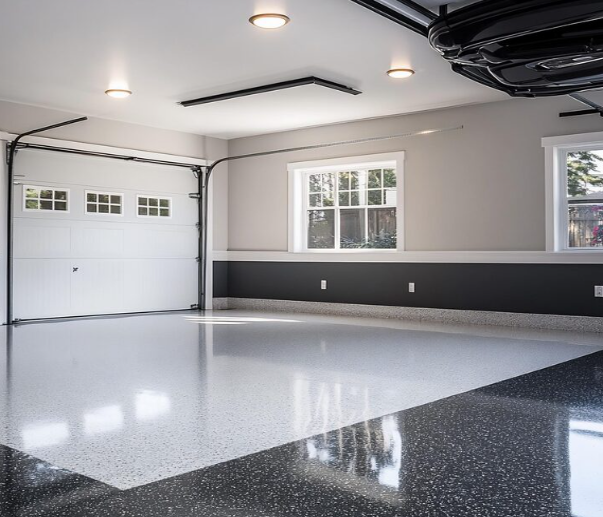
Garages get ignored until they don’t. Nobody thinks about that concrete slab until it’s cracked or stained brown from three years of tire drips and salt air blowing in off the water. Charleston’s humid enough that bare floors just don’t hold up the way people expect them to. This is basically why garage flooring Charleston homeowners go with these days leans toward coated systems now, instead of just living with whatever the builder poured back in 2004.
Humidity Never Really Quiet Here
Even winter feels sticky some days, honestly. Only concrete attracts moisture relentlessly, and that moisture sits there, running its sort of path through the cracks, feeding a musty smell that later indicates whether everyone notices the right distance or not. A coated floor stops that absorption cold. Keeps the slab dry underneath instead of soaking up humid Southern air day after day until something finally gives, usually a crack right where nobody expected one.
Local Know-How Actually Counts
Plenty of flooring companies don’t really get what this specific climate does to a garage over time. Hiring flooring contractors Charleston SC homeowners trust generally means finding a crew that’s dealt with this exact humidity before, not some outfit used to install in Arizona and figuring it’ll transfer fine. It won’t, not really. Local crews test moisture properly first. They pick coatings actually rated for this weather. Skipping that step, rushing the job—that’s where things go wrong later.
Storms Bring Their Own Mess
Rain here doesn’t mess around; it’s sudden and heavy sometimes, several times a week during summer. Mud and standing water track straight into garages when that happens, and bare concrete stains under repeated soaking pretty fast. Grit from flooded streets grinds into unprotected floors too, slow damage nobody notices until it’s obvious. Coated floors resist that staining a lot better. Cleanup turns into a quick wipe rather than scrubbing at dirt that’s baked itself into porous concrete for days.
Looks Matter More Than People Admit
Garages don’t have to look like storage afterthoughts anymore. Homeowners are treating these spaces differently now, almost like bonus rooms in some cases. Metallic finishes. Flake systems. Solid colors that actually match the house trim instead of clashing with everything. A few Charleston homeowners have converted garages into workshops or hobby rooms entirely, and a finished floor changes how that whole space feels—less like a cave for storing junk and more like somewhere you’d actually want to spend time.
Timing The Job Right
Coating a floor during Charleston’s worst humidity stretches causes real trouble; trapped moisture leads to bubbling within months sometimes, and that’s not an exaggeration. Good local crews watch weather patterns and plan installs around drier windows when the schedule allows it. Rushing to hit some deadline during peak humid season backfires more often than not. Costs more fixing it later than it would’ve cost just waiting a few extra weeks in the first place.
Thinking Past the Install Date
Patching bare concrete every couple year adds up more than people realize compared against one properly done coating built for this coastal climate specifically. Good installations last well past a decade with basic upkeep, holding up against humidity cycles that chew through untreated concrete way faster. Homeowners fixated only on install price miss this part constantly; they see the number and stop thinking, ignoring what five humid summers eventually do to bare, unprotected concrete.
Conclusion
This climate is hard on garage floors; no way around it. Humidity and storms and salt air all wear down bare concrete over time. The right coating, installed by someone who actually understands Charleston’s weather, makes a real difference in how long that floor holds up. Homeowners weighing their options locally can start by looking into carolinaflooringspecialists.com for guidance built around what actually works here.