

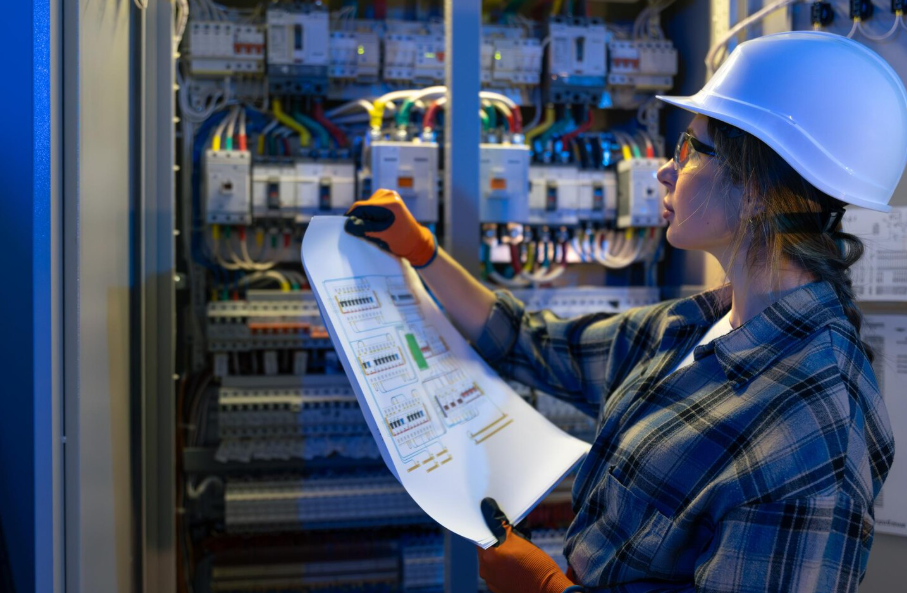
Electrical systems are the backbone of every modern home and business, powering everything from lighting and appliances to HVAC systems and security devices. Despite their importance, electrical systems are often overlooked until something goes wrong. Regular inspections are essential to ensure safety, efficiency, and long-term reliability. But many homeowners and property managers often wonder: how often should you schedule an electrical inspection?
The answer depends on several factors, including the age of your property, the condition of your wiring, and how heavily your electrical system is used. However, general guidelines can help you determine the right schedule.
Recommended Electrical Inspection Frequency
For most residential properties, it is recommended to schedule a professional electrical inspection every 3 to 5 years. This timeframe allows electricians to identify wear and tear, outdated wiring, and potential safety hazards before they become serious problems.
If your home is older—especially if it is more than 25 to 30 years old—you may need inspections more frequently, typically every 1 to 3 years. Older homes often have outdated electrical systems that may not meet current safety standards or handle modern electrical loads.
Commercial properties usually require more frequent inspections due to heavier usage and stricter compliance regulations. In many cases, annual inspections are recommended for businesses.
When You Should Schedule an Inspection Immediately
In addition to routine scheduling, there are certain warning signs that indicate you should book an inspection right away:
-
Frequent circuit breaker trips
-
Flickering or dimming lights
-
Burning smell near outlets or electrical panels
-
Outlets that feel warm or discolored
-
Buzzing sounds from electrical fixtures
-
Outdated fuse boxes or aluminum wiring
If you notice any of these issues, delaying an inspection could increase the risk of electrical fires or system failures.
After Major Renovations or Installations
Any major renovation, such as kitchen remodeling, HVAC upgrades, or adding new appliances, increases the load on your electrical system. In such cases, an inspection is highly recommended to ensure your system can safely handle the additional demand.
Similarly, after installing solar panels, EV chargers, or new sub-panels, a professional inspection ensures everything is correctly integrated and compliant with safety standards.
Importance of Professional Inspections
A professional electrician doesn’t just check for visible issues—they evaluate the entire electrical system, including wiring, panels, grounding, and load distribution. This helps prevent hidden hazards that could otherwise go unnoticed.
Hiring a licensed professional such as an electrician Salem Oregon ensures that your electrical system is inspected according to local codes and safety regulations. Professionals also provide recommendations for upgrades that can improve energy efficiency and reduce long-term repair costs.
Benefits of Regular Electrical Inspections
Scheduling regular inspections offers several important benefits:
-
Improved home safety and reduced fire risk
-
Early detection of faulty wiring or components
-
Better energy efficiency and lower utility bills
-
Increased lifespan of electrical systems
-
Compliance with building codes and insurance requirements
These advantages make routine inspections a smart investment rather than an unnecessary expense.
Final Thoughts
Electrical inspections should never be treated as optional. Whether you own an older home, manage a commercial property, or recently completed renovations, regular inspections are essential for maintaining safety and performance. A simple schedule of every few years—or sooner if issues arise—can prevent costly repairs and serious hazards.
By staying proactive and working with a qualified electrician, you can ensure your electrical system remains safe, efficient, and reliable for years to come.