


Buying a property in Singapore requires a strategic approach, especially with the current premium prices in the resale market. Many buyers get swept up in the excitement of viewing a beautifully staged home and end up paying far above the actual market value. Whether you are looking at a modern development near Lentor Garden or an older, spacious unit in a prime district, understanding how to assess fair value is crucial. Overpaying can lock up your capital and hurt your potential capital appreciation. This guide outlines practical steps to help you evaluate property prices, analyze market data, and negotiate effectively to secure a fair deal on your next Singapore resale condominium.
Researching Historical Transaction Data
To avoid overpaying, your first step should always involve a deep dive into historical transaction data. The Urban Redevelopment Authority (URA) transaction portal provides free access to actual transacted prices, which are far more reliable than the asking prices listed on property portals. Sellers often list their properties with a 5% to 10% buffer for negotiation, meaning asking prices are frequently inflated.
Analyzing Recent Caveats Lodged
Look at the caveats lodged for your target condominium and neighboring projects over the past six to twelve months. Pay close attention to the price per square foot (PSF) and the specific unit sizes. In a large development, low-floor units naturally command a lower PSF than high-floor units with unblocked views. Comparing a ground-floor unit’s asking price to a recent penthouse sale will lead to an inaccurate valuation.
Understanding Unit Facing and Layout Premium
Additionally, consider the layout efficiency. A poorly designed 1,000-square-foot unit with a long hallway or a massive balcony might have less usable space than an efficient 900-square-foot unit. Adjust your valuation downward if the unit faces a noisy main road or suffers from afternoon west sun, as these factors permanently affect liveability and resale value.
Comparing Resale Units Against New Launches
Understanding the price gap between new launches and resale properties in the same district prevents you from overpaying. When developers launch new projects, like those in the growing Lentor Garden residential enclave, they set a new price ceiling for the neighborhood. While new launches command a premium due to brand-new facilities and progressive payment schemes, resale properties should logically trade at a discount.
Evaluating the Price Gap
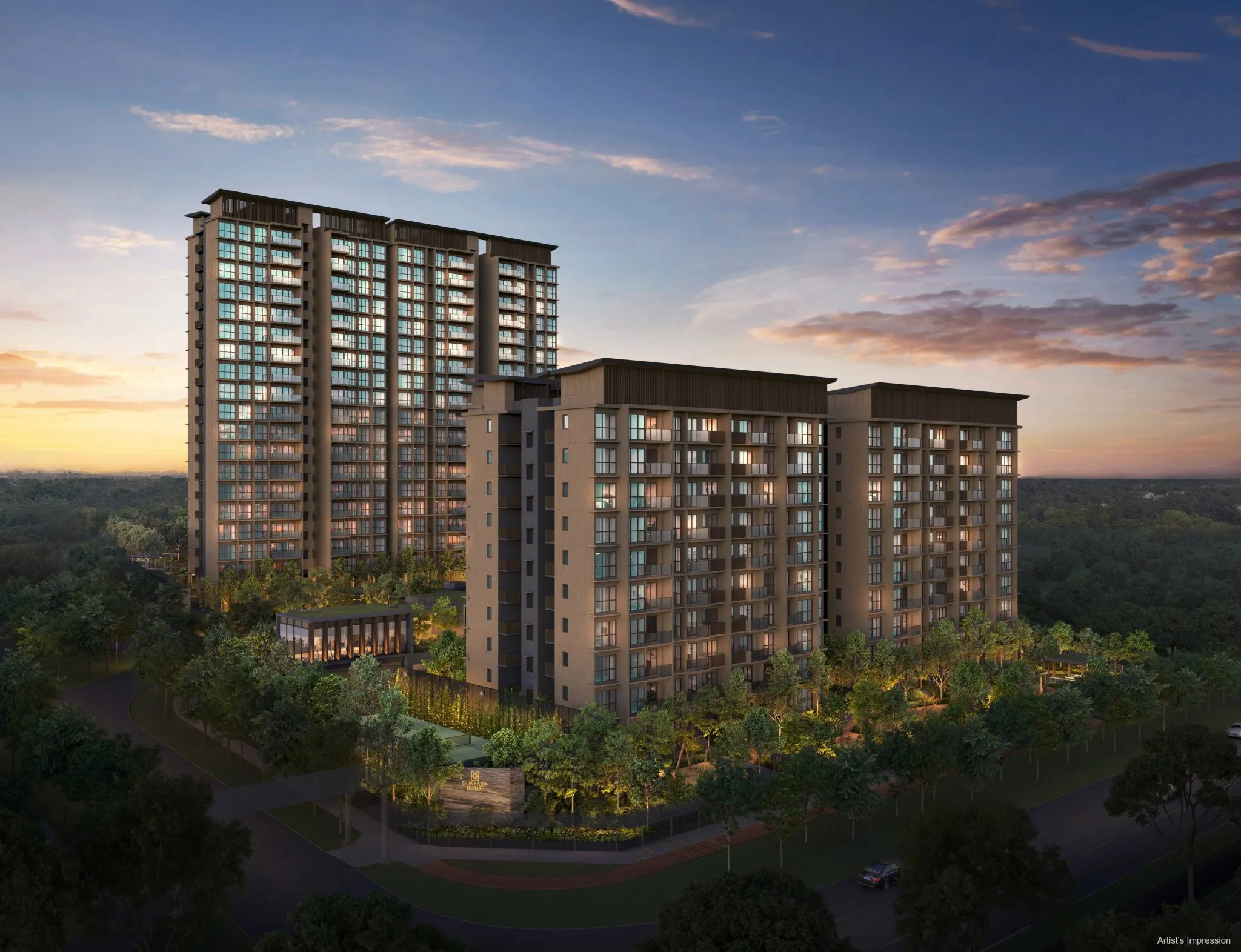
If a resale condo in the same district is priced too close to a brand-new project, the resale unit is likely overpriced. For instance, comparing a boutique resale development like Dunearn House to newer launches in District 11 helps establish a realistic baseline. If the price gap between an older development and a new launch narrows to less than 15%, the older resale unit loses its value proposition.
Analyzing Premium Spreads
Historically, a healthy price gap of 20% to 30% between resale and new launches protects resale buyers from immediate depreciation. When analyzing a property, calculate the exact percentage difference between the seller’s asking price and the average launch price of nearby new builds. If the seller demands a price that matches new launch levels without offering equivalent modern amenities, walk away from the deal.
Assessing Location and Future Master Plan Upgrades
A property’s current value is heavily tied to its location, but its future value depends on urban planning. The URA Master Plan is a valuable tool that outlines Singapore’s development plans over the next ten to fifteen years. Buying a resale condo in an area scheduled for major infrastructure upgrades can justify a slightly higher purchase price, as future demand will drive capital growth.
Identifying Future Growth Engines
Look for upcoming MRT stations, regional business hubs, or nature parks nearby. For example, the transformation of the Lentor area around Lentor Garden shows how new transit links and commercial amenities can uplift an entire neighborhood. However, you must ensure the seller has not already priced these future benefits into the current asking price.
Avoiding the Construction Nuisance Premium
Be cautious if the infrastructure upgrades are still a decade away. Living next to an active construction site for years reduces your quality of life and makes renting out the unit difficult. Do not pay today’s prices for promises that will only materialize in the distant future. Verify the completion timelines of nearby developments to ensure you do not pay a premium for amenities you cannot use immediately.
Accounting for Renovation and Maintenance Costs
One of the most common mistakes resale buyers make is ignoring the immediate capital outlay required for renovations and repairs. Unlike brand-new condominiums that come with a one-year defect liability period, resale units are sold on an “as-is” basis. A unit that appears cheap on paper might end up costing significantly more once you factor in the cost of fixing hidden issues.
Estimating Renovation Expenditures
Older developments, such as those built around the era of Pinery, often require extensive plumbing, electrical rewiring, and waterproofing work. If the kitchen and bathrooms need a complete overhaul, you can easily expect to spend upwards of $80,000 on renovations. You must subtract these projected expenses from your maximum bid to avoid overstretching your budget.
Checking the Sinking Fund Status
Furthermore, inspect the health of the condominium’s management fund and sinking fund. Ask the seller for the latest management corporation (MCST) meeting minutes. If the estate has upcoming major works like repainting, lift replacements, or clubhouse upgrades, and the sinking fund is depleted, residents will face special levies. These unexpected cash calls can add thousands of dollars to your holding costs, making an seemingly fair deal highly expensive.
Mastering Negotiation Tactics and Bank Valuations
Never make an offer on a resale condo without securing an indicative bank valuation first. Buyers often make the mistake of agreeing on a purchase price with the seller, only to find out that banks value the property at a lower amount. This discrepancy creates a cash-over-valuation (COV) situation, where you must pay the difference in cash because housing loans and CPF usage are capped based on the lower of the purchase price or valuation.
Securing Multiple Indicative Valuations
Contact at least three major banks to get indicative valuations for the specific unit you want to buy, whether it is a boutique unit at Dunearn House or a larger suburban estate. Provide them with the unit number, floor area, and condition. If the highest bank valuation is $1.5 million, but the seller insists on $1.6 million, you know you will need to fork out $100,000 in cold hard cash. Use this valuation gap as leverage during negotiations to bring the seller’s price down.
Structuring Your Offer Strategically
When presenting your offer, demonstrate that you are a serious buyer with an In-Principle Approval (IPA) for your mortgage. Sellers are more likely to accept a lower offer from a buyer who can execute the transaction smoothly without financial delays. Keep your emotions in check and be prepared to walk away if the seller refuses to meet a realistic market valuation.
Final Thoughts
Avoiding overpaying for a resale Singapore condo requires a blend of rigorous data analysis, financial discipline, and strategic negotiation. By studying historical URA transaction data, comparing resale prices to new launches, and factoring in renovation costs, you can establish a realistic fair value for any property. Keep in mind that buying a home is a long-term financial commitment. Whether you are looking at an established development or a modern unit in a prime district, patience is your greatest asset. Do not let market hype pressure you into making a hasty decision. Armed with the right data and a clear budget, you can confidently secure a property that offers both a comfortable home and a sound investment.