

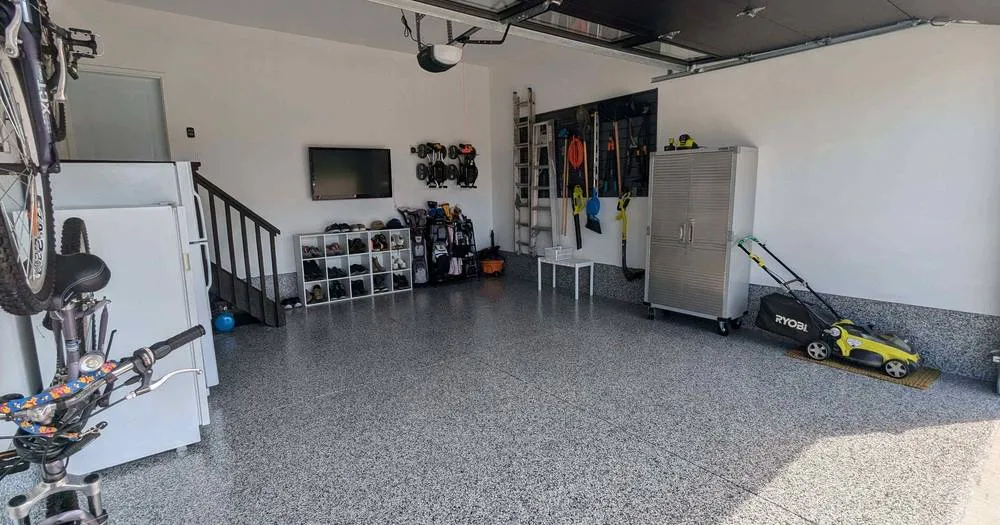
Toronto winters are brutal on cars and even harder on the concrete they park on. Road salt, melting slush, and constant freezing and thawing leave garage floors stained, flaking, and slick. By March, many homeowners are staring at white residue, rust marks, and crumbling surfaces. The good news is that you can fight back with the right surface and routine. This article looks at how winter damages concrete, which protective choices hold up, and how to prepare before the next cold season arrives.
How Salt and Freeze-Thaw Cycles Do Their Damage
Concrete is porous, so it absorbs water along with whatever is dissolved in it. When temperatures drop, that water freezes and expands, pushing apart the surface layer. Salt makes the cycle worse by drawing in more moisture and encouraging scaling, which looks like thin flakes peeling away. Over several winters, small pits turn into rough patches and cracks. Understanding this chain of events explains why sealing the slab before winter is usually far less costly than repairing it afterward. Prevention is the smarter investment.
Why Bare Concrete Struggles
Unsealed concrete has no defence against what winter brings in. Meltwater drips from bumpers and pools near the door, carrying salt and grit into every pore. Oil and antifreeze leaks add stains that never fully lift. Even a clean-looking slab can hold moisture and contaminants inside. Dust, a common complaint, is simply the surface wearing away. If your floor sheds powder when you sweep or shows dark, permanent blotches, it is telling you that protection is overdue. Early action keeps the repair small.
Coating Options That Handle Cold
A seamless coating forms a continuous barrier that keeps water and salt out of the concrete. Products designed for garages resist hot tires, road chemicals, and temperature swings, and they make winter cleanup easy because meltwater wipes away instead of soaking in. Surface preparation is essential, since coatings bond only to properly ground, clean concrete. Ask about cold-weather performance, flexibility, and how the finish handles freeze-thaw movement, because a rigid or poorly bonded film can crack where the slab shifts.
Tiles as a Different Route
Not every homeowner wants to coat a slab, and that is where garage floor tile comes in. Interlocking tiles snap together over existing concrete, often without heavy surface preparation, and they can hide cracks and uneven spots. Raised designs let meltwater drain beneath the surface, keeping vehicles and shoes drier. Individual tiles can be replaced if damaged. The tradeoff is seams, which can collect debris, so weigh convenience against the seamless look of a coating before choosing. Both approaches can work well.
A Winter Cleanup Routine
Even the best surface benefits from regular care. Squeegee meltwater toward the door before it dries, since salt residue left behind keeps attracting moisture. Rinse the floor with warm water weekly during the worst months, and use a soft broom or deck brush on stubborn white film. A mat at the entry door of the garage catches grit before it spreads. Consistency matters more than intensity. Ten minutes of attention every few days prevents the buildup that causes most long-term damage.
Traction and Safety
Ice and meltwater make slippery garages hazardous, especially when carrying groceries or snow gear. Choose finishes with built-in grip, such as textured coatings, grit additives, or tiles with ridged surfaces. Keep walkways clear of clutter so footing stays predictable. A smooth, wet floor can look harmless while remaining slick underneath, so do not rely on appearance alone. Good lighting also helps you spot wet patches early, which matters most during dark winter evenings when every trip feels rushed. Small upgrades prevent big accidents.
Preparing Before the First Snowfall
Autumn is the best time to prepare. Clear the floor, degrease stains, repair cracks, and choose your protection while temperatures are still mild, since many products need moderate conditions to cure properly. Move storage off the ground with shelves or wall systems so air can circulate and meltwater cannot soak boxes. Schedule professional work early, because calendars fill quickly once the first cold snap hits. A little foresight turns winter from a yearly repair cycle into a genuinely manageable season.
Conclusion
Winter will always bring salt, slush, and cold to a Toronto garage, but it does not have to leave lasting damage. Understand how moisture attacks concrete, choose a surface built for the conditions, and keep up simple cleaning habits through the season. For help planning a garage that handles the weather and stays organized, explore the services at garagestoragetoronto.ca and ask about your options. Protect the slab now, and every spring will look a lot better than the last. Small steps save headaches later.