

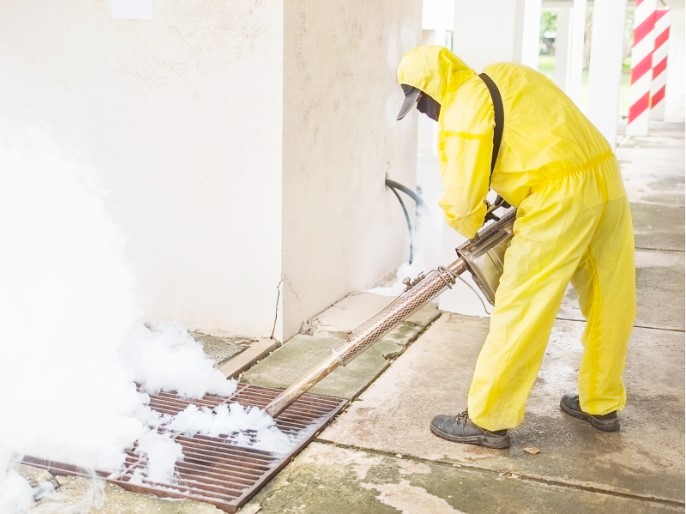
Indoor air quality is a critical factor in maintaining the health and comfort of people in their residential and professional environments. The presence of asbestos creates an unrecognized threat which can severely disrupt air quality. Asbestos materials remain in numerous historical structures, used for insulation and protection of their ceilings, floors, and wall spaces. The process of asbestos removal creates safer indoor environments, which provide better air quality.
Understanding Asbestos and Air Quality
Asbestos is a natural material that builders adopted for construction because of its strength and heat resistance. Asbestos appears safe until people touch it because it becomes dangerous once it begins to decay. Small fibres can become airborne and stay in the air for a long time. Invisible fibres in the environment can be easily inhaled, directly impacting indoor air quality.
Asbestos fibers create poor indoor air quality which results in breathing difficulties and other critical health problems that develop progressively over time. The elimination of asbestos from older buildings represents a vital task which building owners must complete.
How Asbestos Fibres Enter Indoor Air
Asbestos fibres usually enter the air when materials containing asbestos are disturbed. The process can occur through renovation activities, repair work or during ordinary equipment usage. This allows crumbling insulation, damaged ceiling tiles and old flooring to release fibres into the environment.
The building contains fibres that remain airborne and can be inhaled by people who occupy the space. This leads to the indoor air pollution problem persisting because these fibres spread in the environment despite their low concentrations.
Benefits of Asbestos Removal for Indoor Air
Asbestos removal has a direct and positive impact on indoor air quality. The main advantages of this process are:
- Removes all harmful fibres that exist in indoor air
- Decreases the chances of developing persistent lung diseases
- Establishes a more sanitary and healthier indoor atmosphere
- Enhances both physical comfort and mental well-being of individuals
The indoor air quality improves after the complete removal of all asbestos materials from the building.
The Importance of Professional Removal
Removing asbestos materials requires specific training and equipment, which must be obtained before any work can begin. The dedicated teams who remove asbestos materials follow established safety protocols which keep hazardous fibers from escaping during their work.
The team employs sealed zones, protective equipment, and specialized instruments to conduct safe asbestos removal and disposal operations. The professional removal process guarantees the complete containment of asbestos fibres. This prevents any indoor air contamination throughout the procedure.
Long-Term Improvement in Indoor Environment
Indoor air quality improves permanently after all asbestos materials have been removed. The air circulation systems now operate at full efficiency because they no longer need to manage the spread of contaminated materials. Since the contamination source has been removed.
The new systems make buildings more secure during renovation projects and routine activities. Better air quality reduces allergy symptoms and helps people breathe more easily. It also helps create a more pleasant environment in both homes and workplaces.