

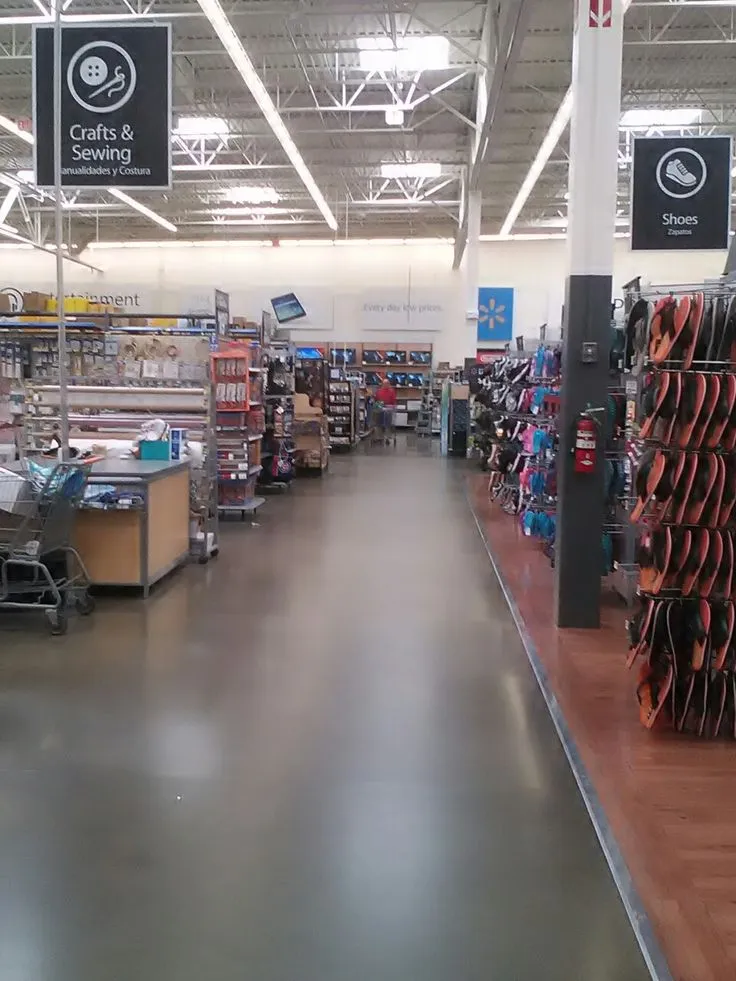

Opening a new shop often involves a tight sequence of trades. Electricians need access, display cabinets arrive on set dates, and the opening announcement may already be published. Beneath those visible decisions lies a less exciting task: getting the existing floor ready. When an older tenancy contains vinyl, carpet or outdated tiles, professional floor prep can affect almost every subsequent stage. Planning removal, cleaning and levelling before new finishes are ordered gives business owners a clearer picture of costs and avoids asking installers to work around freshly installed fixtures.
Investigate the Previous Tenancy
A former retailer may have used carpet tiles, while a cafe might leave behind glued vinyl and several patched service openings. The condition of the slab cannot always be judged through the old covering. Request an inspection that considers previous adhesives, cracks and uneven areas.
If the property is older, check whether existing floor materials require hazardous-material assessment before disturbance. That decision should be made by appropriately qualified professionals rather than by guessing from the appearance of adhesive.
Confirm the New Floor’s Requirements
Tiles, vinyl planks and resin coatings need different substrate conditions. Some finishes demand particularly flat surfaces; others need a specific texture for adhesion. Understanding the intended final material before stripping the old one can prevent duplicated work.
Ask the new flooring supplier for its preparation requirements. A surface that looks clean is not necessarily suitable, especially if an invisible sealer or fine adhesive residue remains on the concrete.
Understand the Role of Grinding
Mechanical concrete grinding can remove certain coatings, contamination and surface irregularities. Diamond tooling is selected according to concrete hardness, the existing material and the profile needed for the next finish.
Grinding does not automatically resolve every low spot or structural defect. Floor levelling compounds and localised repairs may be required separately. The contractor should explain which tasks are included and which are outside the original scope.
Keep Other Trades Out of the Way
Floor removal and grinding can produce noise, dust and restricted access. These activities are easier to coordinate while the tenancy is relatively empty. Installing cabinetry first can leave awkward edges that machines cannot reach efficiently.
A practical sequence is to assess the slab, remove unwanted coverings, complete necessary repairs, prepare the surface and then permit the finishing trade to proceed. Some site conditions require a different order, so agree on responsibilities before work starts.
Ask Questions Before Accepting a Quote
A clear quotation reduces the risk of misunderstandings when the existing flooring is lifted. Useful questions include:
-
Who removes and disposes of the previous covering?
-
Are glue removal and mechanical grinding included?
-
Will the team use suitable dust extraction?
-
How will uneven areas and cracks be handled?
-
What condition will the slab be left in for the next installer?
Photographs, floor measurements and an agreed handover standard can make the scope easier to understand for everyone involved.
Plan for Queensland Conditions
Brisbane and Redlands properties can experience humid weather and heavy rainfall. Moisture moving through a slab may matter when installing moisture-sensitive floor coverings or resin systems. Water staining alone cannot establish whether the substrate meets the product’s limits.
Ask whether testing is needed and who will interpret the result. If leaks or drainage problems are present, deal with those issues rather than relying on an adhesive or decorative coating to conceal them.
Protect the Opening Schedule
Fit-outs rarely have unlimited time. Unexpected floor damage can interrupt deliveries and create tension between trades. Building a modest contingency into the programme provides room for investigation and repairs without immediately moving the opening date.
Confirm when each area will be accessible, whether levelling materials need curing time and who signs off the prepared floor. Written handover notes are especially helpful when the preparation and installation teams are different businesses.
Consider Maintenance Before Choosing Finishes
Retailers often prioritise colours and patterns, but cleaning requirements also influence daily costs. Sand, wet shoes, wheeled displays and frequent mopping place different demands on the floor. Those conditions should be discussed before the final product is chosen.
A well-prepared base supports the selected finish, but ongoing care still depends on that material’s manufacturer instructions. Choose a surface employees can realistically maintain during trading hours.
Conclusion
A successful retail fit-out begins beneath the visible design. Removing old materials, checking moisture, correcting local defects and preparing concrete for its next finish can prevent avoidable disruption once a shop is operating. Business owners should coordinate these tasks with other trades and clarify what a preparation quotation actually covers. For commercial properties in Brisbane and Redlands, epoxyflooringredlands.com.au outlines relevant grinding, removal and levelling services. Early attention to the slab helps make renovation decisions more dependable and leaves the finished interior ready for everyday use.