

Vertical gardening has become one of the most practical solutions for people with limited outdoor or indoor space. By growing upward instead of outward, gardeners can dramatically increase the number of plants they cultivate on balconies, patios, small yards, or even interior walls. In 2026, a wide range of systems—from simple wall pockets to self-watering towers—make it easier than ever to produce herbs, leafy greens, strawberries and climbing vegetables without needing a traditional garden bed.
Why Vertical Gardening Works for Small Spaces
Floor space is often the biggest constraint in urban and apartment living. Vertical systems convert walls, railings, fences and unused height into productive growing surfaces. A single wall-mounted panel or freestanding tower can support dozens of plants while occupying only a few square feet of ground. This approach also improves air circulation around foliage, which can reduce certain disease pressures compared with plants sprawling on the ground. Harvesting becomes more convenient for many crops, and the visual effect of a living green wall adds aesthetic value to compact homes.
Popular Vertical Systems for 2026
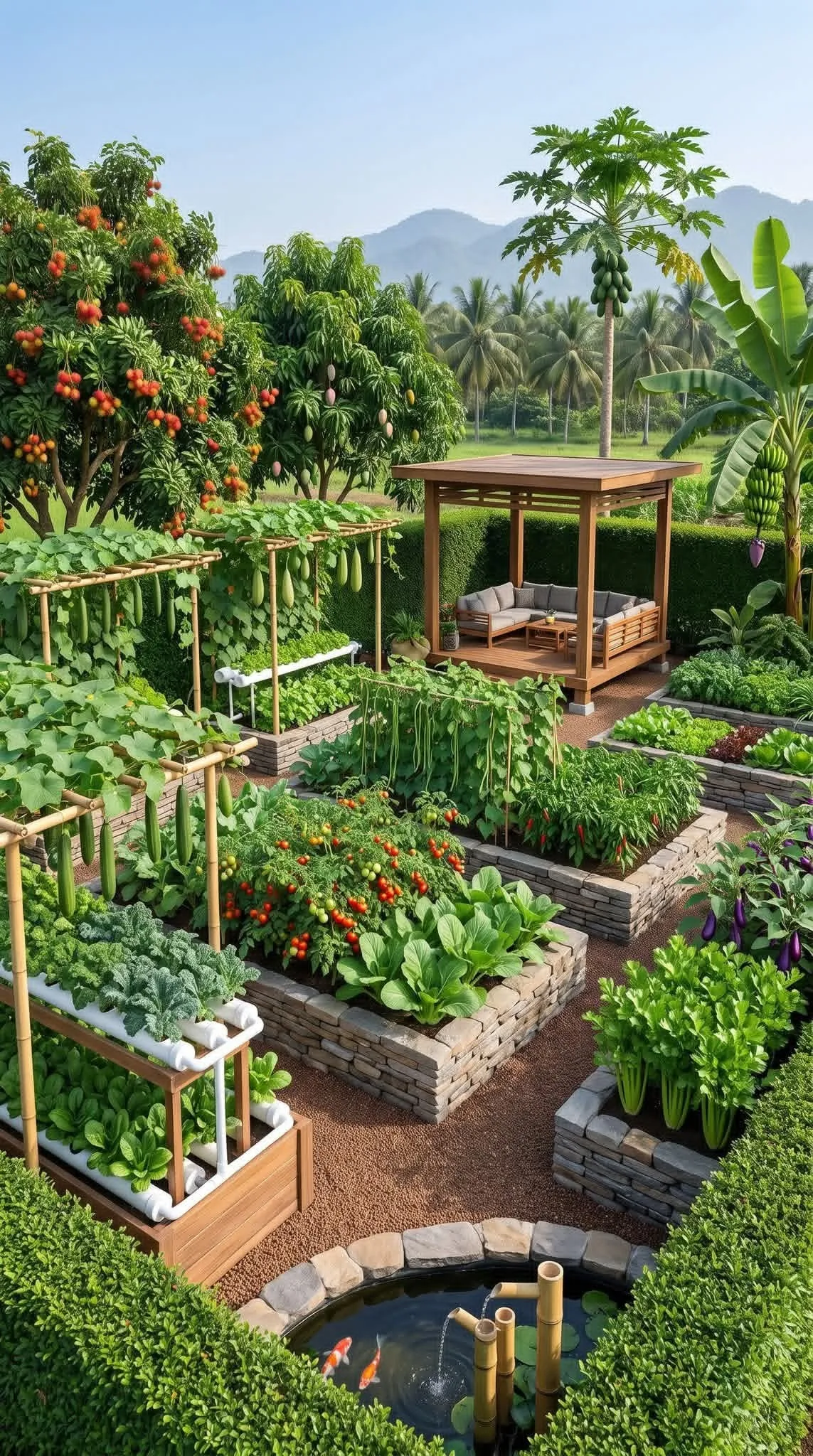
Several proven systems suit different needs and budgets. Wall-mounted pocket planters, often made of durable fabric or modular plastic, attach directly to walls, fences or railings. These work especially well for shallow-rooted plants and require no floor space. Stackable or tower planters create multiple planting levels in a small footprint; many modern versions include self-watering reservoirs that reduce daily maintenance. Trellises, netting or cattle-panel arches support climbing crops such as pole beans, cucumbers, peas and indeterminate tomatoes, turning a single pot’s base into several feet of vertical growing area.
Hanging baskets and railing planters take advantage of overhead or edge space. Freestanding tiered shelves and ladder-style stands offer flexibility for renters who cannot mount systems permanently. DIY options remain popular: recycled pallets, mason-jar walls, or even modified barrels can create productive vertical gardens at low cost when properly prepared and secured.
Best Plants for Vertical Growing
Success depends heavily on matching plants to the system and available light. Herbs such as basil, thyme, oregano, chives, parsley and rosemary thrive in pocket planters and towers because they have relatively shallow roots and respond well to frequent harvesting. Leafy greens including lettuce, spinach and kale perform reliably in the same setups and offer continuous cut-and-come-again yields.
Strawberries adapt well to pockets and towers, with trailing runners cascading attractively. Compact or determinate tomato varieties, peppers and bush beans suit deeper containers or stacked systems. For true climbers, pole beans, peas, cucumbers and indeterminate tomatoes trained on sturdy supports deliver high yields relative to the ground space used. Avoid deep-rooted crops such as full-sized carrots or potatoes unless the planter provides sufficient soil depth.
Light, Water and Practical Considerations
Most productive vertical gardens need at least six hours of sunlight daily. South- or east-facing walls and balconies generally perform best for sun-loving crops, while north-facing spots suit shade-tolerant greens and certain herbs. Group plants with similar light and water needs together to simplify care.
Vertical systems tend to dry out faster than ground beds because of increased exposure and limited soil volume. Regular watering is essential, especially in warm weather. Self-watering towers and simple drip irrigation kits help maintain consistent moisture. Always ensure containers have proper drainage to prevent waterlogging. Lightweight potting mixes that retain moisture while remaining airy support healthy root growth in confined spaces.
Structural safety matters. Wall-mounted systems must be securely fastened to handle the weight of wet soil and mature plants. Trellises and supports should be anchored firmly against wind. For balconies, check weight limits and building rules before installing heavier setups.

Setting Up a Productive Small-Space Garden
Begin by assessing available surfaces and light. Choose one or two systems that fit the space and your maintenance capacity. Start with easy, high-reward plants such as herbs and lettuce to build confidence. Fill containers with quality potting mix rather than garden soil, and consider adding a slow-release fertilizer or regular liquid feeding suited to the crops grown.
Position taller or climbing elements where they will not shade lower plants excessively. Maintain pathways for access and airflow. Regular harvesting encourages continued production in many leafy and herb crops. Seasonal rotation—cool-season greens in milder months and heat-tolerant plants in summer—extends the productive period.
Indoor vertical gardening follows similar principles using wall pockets, shelves or compact towers near bright windows or under grow lights. Herbs and salad greens adapt particularly well to indoor conditions when light and humidity needs are met.
Long-Term Benefits and Maintenance
A well-planned vertical garden multiplies growing capacity without expanding the physical footprint. It can supply fresh herbs and greens for the kitchen, improve air quality and create a calming green focal point. Over time, gardeners often refine their systems by adding irrigation, adjusting plant combinations and expanding successful setups.
Consistent care—monitoring moisture, pruning for airflow, watching for pests and refreshing soil or nutrients as needed—keeps plants healthy. Choosing durable, UV-resistant materials extends the life of planters and supports.
Vertical gardening in 2026 offers practical, scalable ways to grow more food and greenery in limited spaces. Whether using simple wall pockets on a balcony, a self-watering tower on a patio, or trellises for climbing crops, the core principle remains the same: use height to expand possibility. With careful plant selection, secure installation and attentive watering, even the smallest areas can become productive and rewarding gardens.
Read more – gloryhouseworld.com