


Introduction
A well-designed study table plays a major role in a student’s focus, comfort, and productivity. Whether for school students or college-goers, the design should balance functionality, ergonomics, and aesthetics. Homes designed by a luxury interior designer in Bangalore often integrate study areas that are both practical and visually refined.
Ergonomics Comes First
The height of the study table and chair must support good posture. Adjustable chairs, appropriate desk height, and sufficient legroom reduce strain during long study hours.
Adequate Storage for Organisation
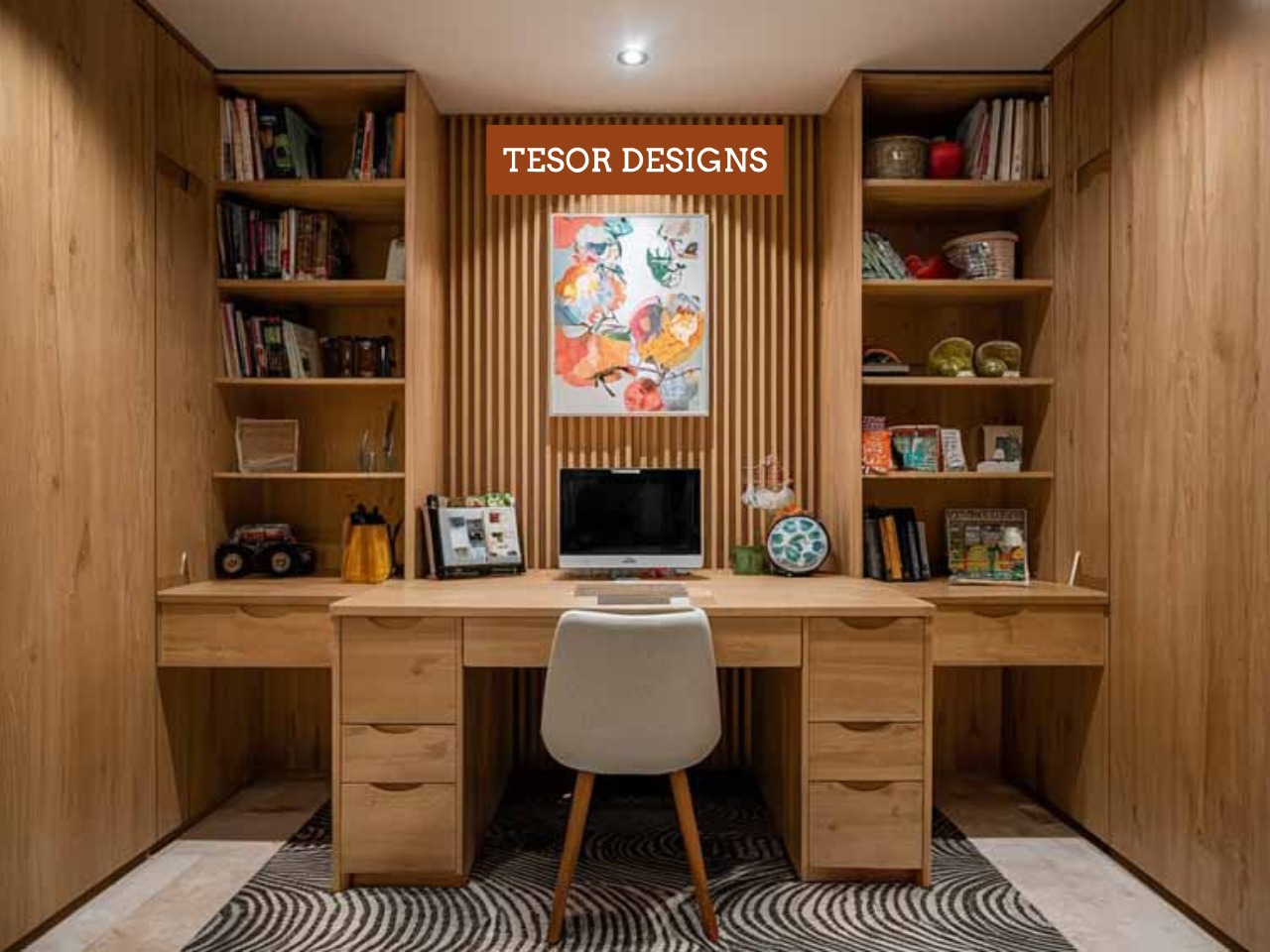
Built-in drawers, overhead shelves, and side cabinets help keep books, stationery, and gadgets organised. A clutter-free desk promotes better concentration and efficiency.
Natural Lighting and Task Lighting
Positioning the study table near a window ensures good natural light during the day. For evenings, focused task lighting such as desk lamps or under-shelf lights prevents eye strain.
Wall-Mounted and Foldable Study Tables
For compact bedrooms, wall-mounted or foldable study tables are ideal. These designs save space while offering enough functionality for daily academic needs.
Personalised Design for Motivation
Adding pinboards, open shelves for books, or accent colours makes the study area more engaging. Personalised spaces help students feel comfortable and motivated.
Material and Finish Selection
Durable materials like engineered wood or plywood with laminate finishes ensure longevity. Soft, neutral tones are preferred to create a calm learning environment.
Integrated Technology Support
Modern study tables often include cable management solutions, charging points, and space for laptops or monitors, making them future-ready.
Conclusion
A thoughtfully designed study table enhances productivity and complements the overall interior aesthetic. Many homeowners seek guidance from a luxury interior designer in Bangalore to create study spaces that blend comfort with refined design.