

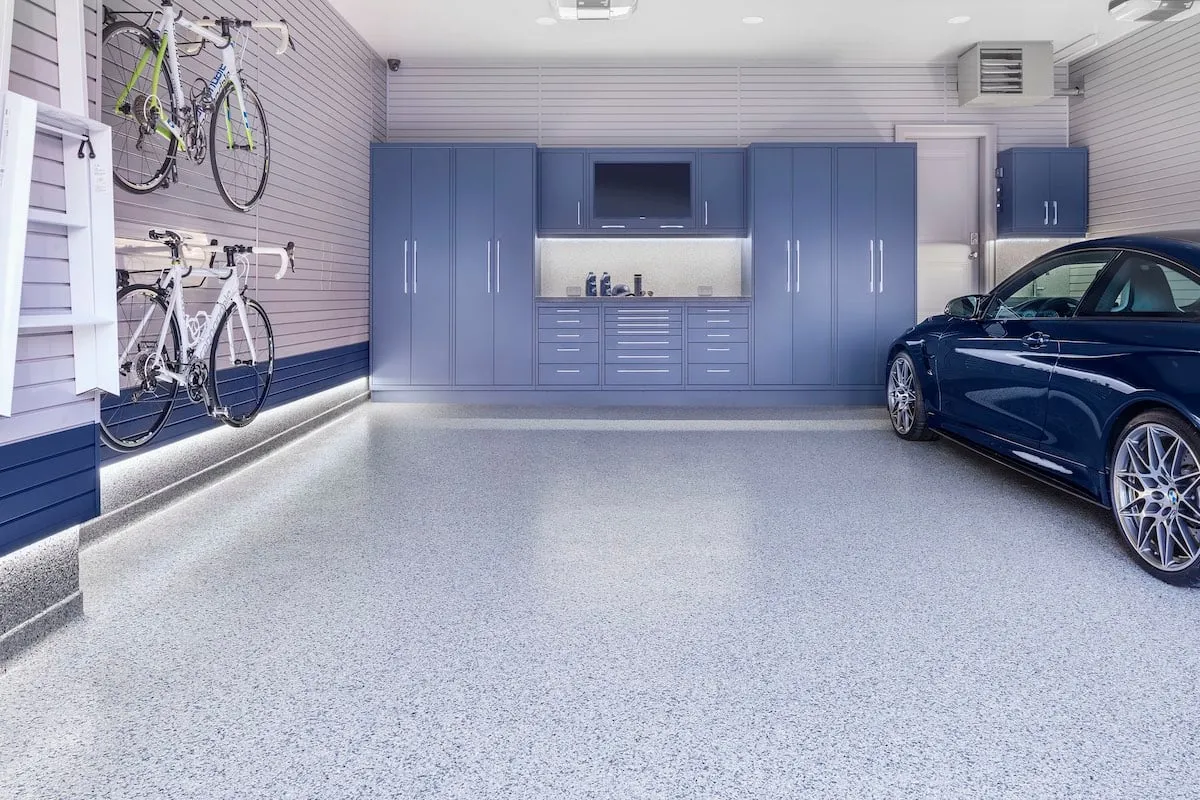

Most owners install a floor and then forget about it until something goes wrong. That is a pity, because garage floors respond well to small, well-timed habits. Each part of the year brings its own stresses, from baking heat to wet footprints and cold mornings. This calendar-style guide shows what to watch and do through the year, so your surface keeps its good looks with minimal effort.
Start of the Year: The Deep Clean
Begin with a full reset. Clear the room as much as possible, sweep thoroughly, and wash with a neutral cleaner and a soft-bristled brush. Hidden grit is the main cause of fine scratches, so removing it all pays off more than any polish.
Check the corners and walls as you go. Look for cracks, lifted edges, and spots where the finish looks cloudy. Take photos for your records. Having a visual diary makes it easy to spot slow changes and to show a professional exactly what you noticed.
Peak Heat: Protect From Sun and Tires
Hot weather is a test for any surface. Sun-warmed slabs expand, and hot tyres can soften weak coatings and leave marks. A high-quality epoxy flooring system is formulated to cope with these swings, but the owner can still help by avoiding sharp turns on the spot.
Keep doors from baking the same strip all day. Awnings, blinds, or window film reduce ultraviolet exposure and slow any colour shift. Park in slightly different positions from week to week, so tyre load is spread rather than concentrated on a single patch.
Wet Weather: Managing Water and Mud
Rain brings dirty water, leaves, and sand straight into the garage. Standing moisture can seep under mats and rubber, so lift them regularly and let the floor dry. Trapped dampness can leave stains and encourage slippery films.
A squeegee is a cheap and effective tool. Pulling water toward the door or drain after a wet drive-in stops puddles from sitting. Placing a coarse entry mat outside the garage catches much of the grit before it reaches the surface.
Cold Snaps: Salts, Ice, and Shock
In cold regions, de-icing salts ride in on tyres and attack surfaces as they melt. Rinse them off regularly with lukewarm water, and never use rock salt to melt ice on the slab. Chemical residue left behind can dull the finish and weaken edges.
Avoid dropping heavy, sharp tools on a cold floor, since low temperatures make coatings more brittle. Pour warm, not boiling, water for cleanup. Gentle handling during winter prevents chips that would otherwise need patching when the weather warms up.
Spills, Stains, and Quick Responses
Speed matters when fluids hit the floor. Wipe up oil, coolant, and brake fluid at once with a clean cloth, then wash the spot with a mild degreaser. Chemicals left overnight are far more likely to leave a mark.
Keep a small cleanup kit near the door with rags, a spray bottle of cleaner, and absorbent granules. When the tools are within reach, you will actually use them. Habits like this turn potential damage into a thirty-second chore.
The Annual Inspection Checklist
Once a year, walk the whole floor slowly. Look for worn paths, hazy areas, and lifting at joints, and press gently along the edges with your thumb. Note anything that feels loose, sticky, or soft underfoot.
If you find problems, address them early. Small chips and worn spots are usually inexpensive to repair, whereas neglected damage spreads. Many owners schedule a light topcoat refresh every few years, which restores gloss and extends the life of the system.
Conclusion
A garage floor lasts longest when care follows the seasons. A thorough cleaning, protection from heat and moisture, quick action on spills, and a yearly inspection keep small problems from becoming expensive ones. These habits take little time, yet they preserve both appearance and performance for many years.
For further guidance on choosing and maintaining a durable finish for your own space, visit johnsonsflooring.com.au and speak with a specialist about your needs.